New Zoysia Varieties Offer Enhanced Ability to Extract Salt from Soil and Water
Research Objective:
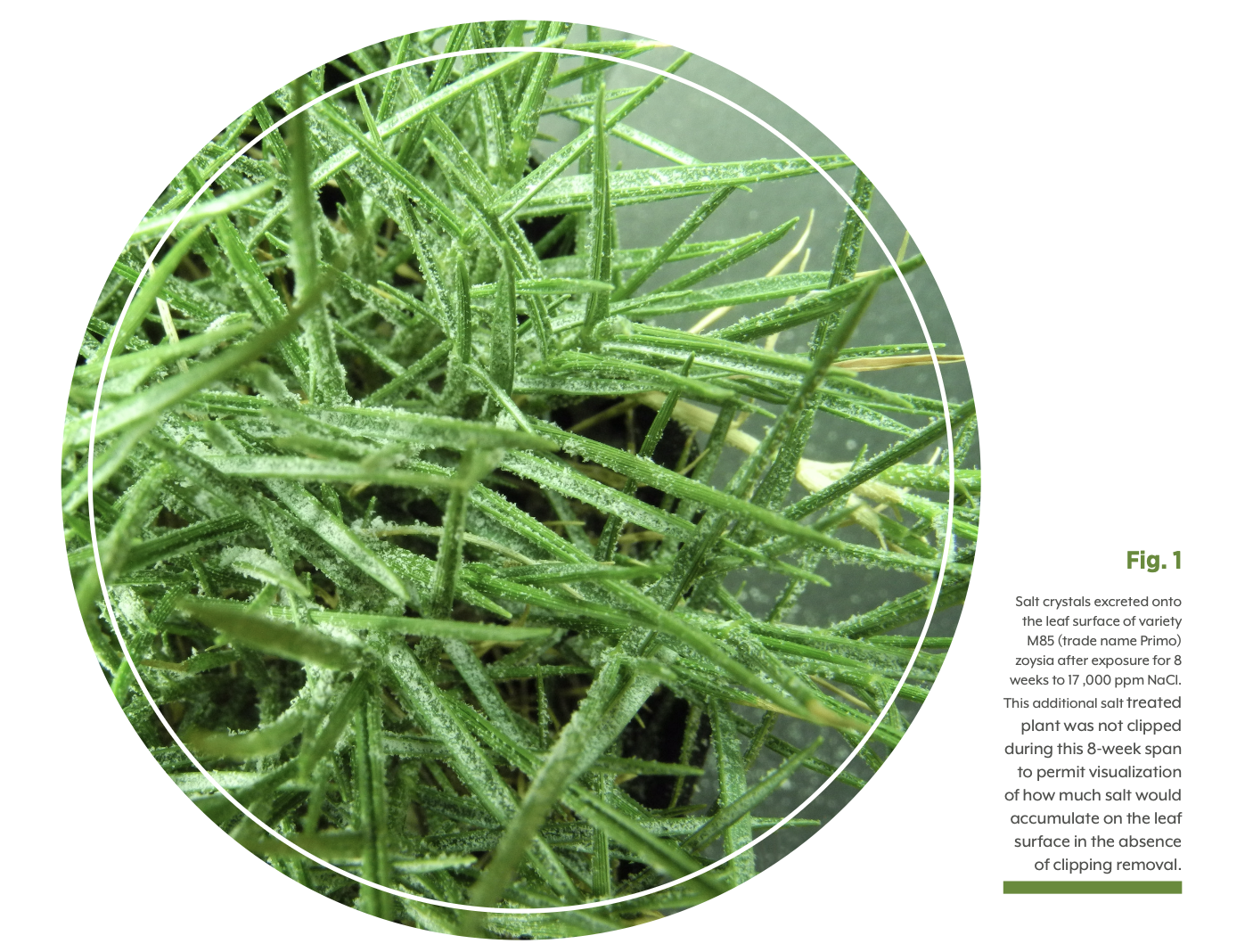
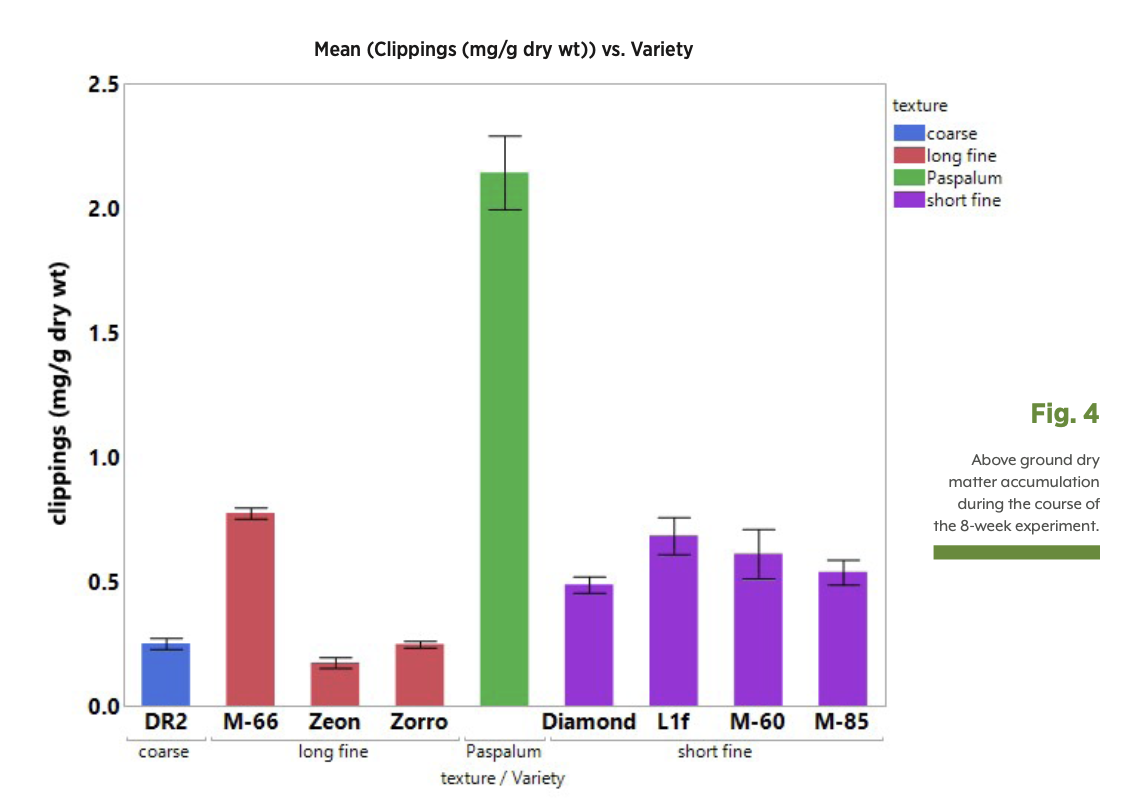
The goal of this study was to assess the salt tolerance of several new Zoysia selections under development and to evaluate their performance relative to commercial cultivars of Zoysia and seagrass (Paspalum vaginatum). Among the recent their performance relative to commercial cultivars of Zoysia and seagrass (Paspalum vaginatum). Among the recent their performance relative to commercial cultivars of Zoysia and seagrass (Paspalum vaginatum). Among the recent their performance relative to commercial cultivars of Zoysia and seagrass (Paspalum vaginatum). Among the recent generation of Zoysiagrasses commercially available, ‘Diamond’ (Z. matrella origin) has been shown to have high salt tolerance in several studies (Chen et al. 2009, Marcum et al. 1998 and Qian et al. 2000), and is often compared to selections of seagrass (Paspalum) when evaluating salt tolerance of warm season turfgrasses. Data was also collected on the levels of sodium and chloride accumulated in the shoot tissue during the experiment. The retention of sodium and chloride in and on the leaf blades can have important downstream implications, as management practices are developed to minimize salt buildup in the soil.
Results:
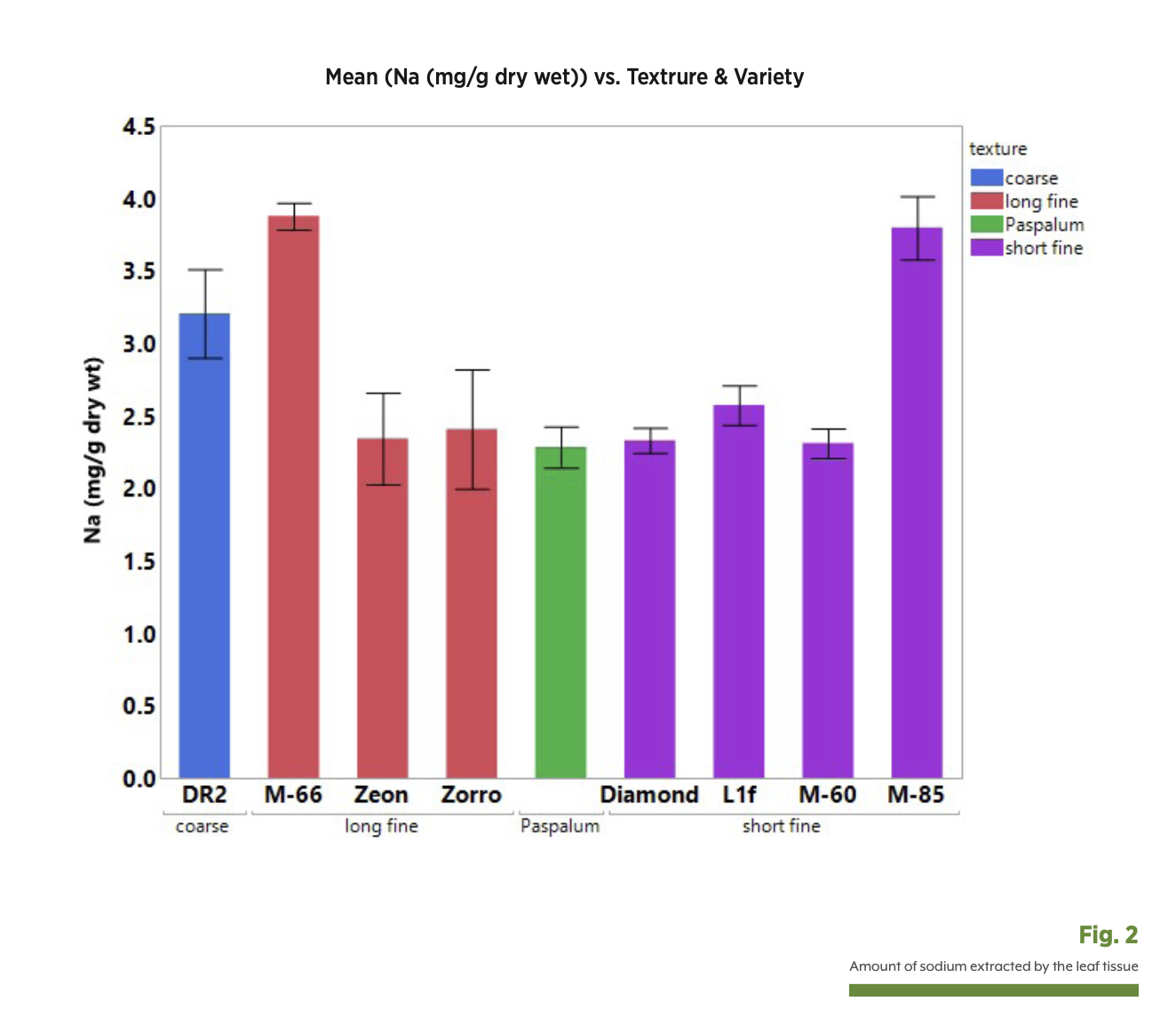
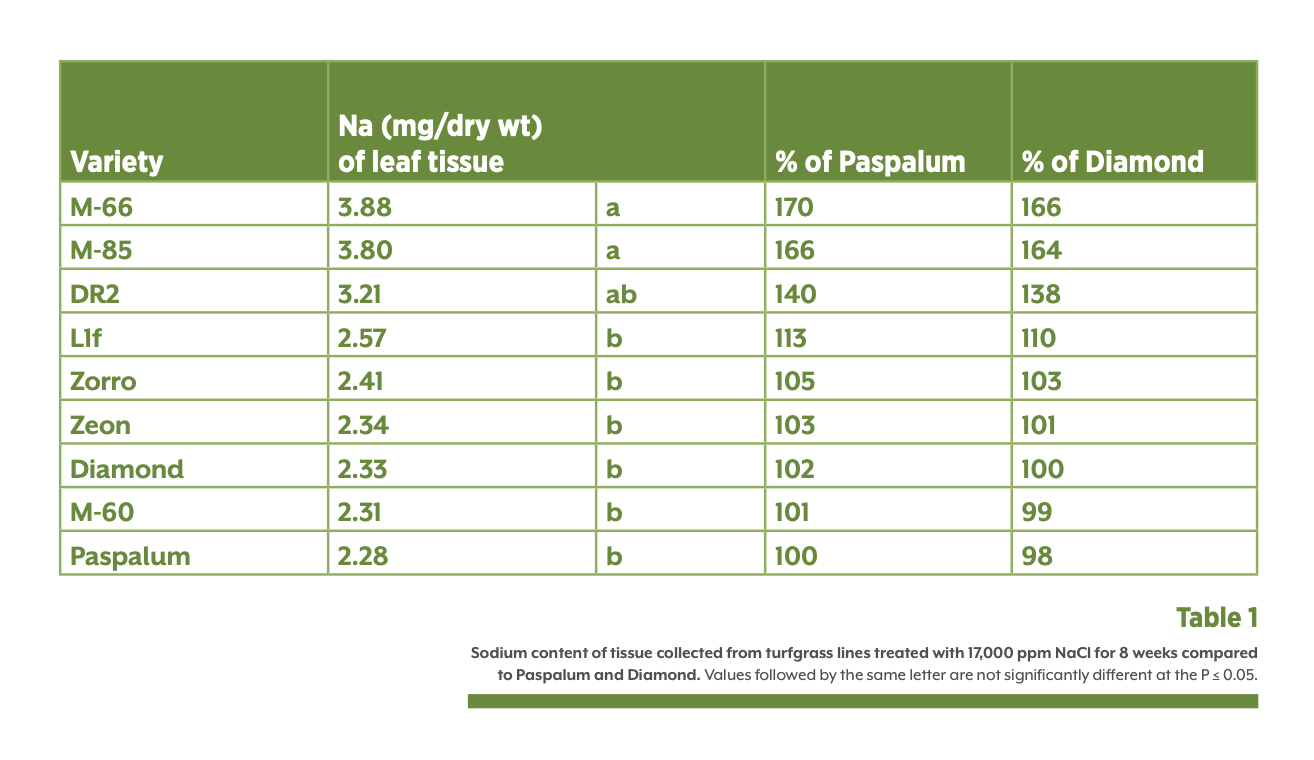
Figure 2 establishes that newly released varieties M-66 and M-85 accumulate higher levels of sodium in the leaf tissue as compared to the other lines tested, including Paspalum, and offer an alternative approach to dealing with saline sites, i.e., absolute physical uptake and removal of salts without using excess water for leaching or flushing. (Table 1). The nature of putting greens and other highly managed surfaces (football, soccer, tennis, baseball) results in frequent clipping (and removal of these salt ladened clippings) on a routine basis. This enhanced active sodium extraction translates to the ability to better manage the amount of deleterious salt that are accumulating in the soil. While it does require catching and removing clippings, the salts go with it and reduces the overall need for enhanced internal drainage (USGA’s greens profile), and reduces the amount of water required to maintain a top quality turf surface.